
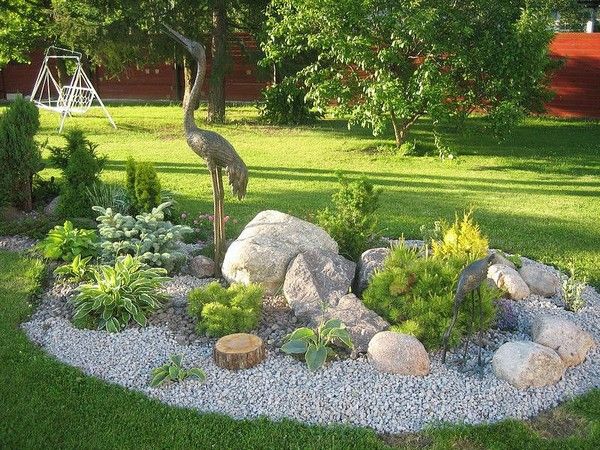
Rock gardens, renowned for their tranquil charm and natural beauty, blend artistry with scientific principles to create harmonious outdoor spaces. Whether nestled in a corner of a backyard or sprawling across a hillside, designing a Rock garden (Steingarten) requires meticulous planning and a deep understanding of geological features and plant selections. Here’s a professional guide to mastering the art and science of rock garden design, ensuring a serene and captivating landscape.
1. Choosing the Right Location
Select a suitable location for your rock garden based on sunlight exposure, soil conditions, and existing landscape features. Consider areas with good drainage and ample sunlight, as most rock garden plants thrive in well-drained, sunny environments. Avoid low-lying spots prone to waterlogging, which can compromise plant health and overall garden aesthetics.
2. Designing with Geological Elements
Integrate geological elements such as rocks, boulders, and gravel to create a naturalistic setting. Choose rocks that complement your garden’s theme and local geology, ensuring they vary in size, shape, and texture for visual interest. Arrange rocks strategically to mimic natural formations and create focal points within the garden.
3. Planning Plant Selections
Select plants that thrive in rocky, dry conditions typical of rock gardens. Choose from a variety of alpine plants, succulents, and drought-tolerant species known for their resilience and low maintenance requirements. Group plants with similar water and sunlight needs together to simplify care and enhance plant health.
4. Implementing Soil Preparation
Prepare well-drained soil enriched with organic matter to promote healthy root development and plant growth. Mix in coarse sand or gravel to improve drainage and prevent water stagnation, crucial for the survival of rock garden plants accustomed to arid conditions.
5. Creating Visual Balance and Harmony
Achieve visual balance by arranging rocks and plants in harmonious compositions. Use principles of scale and proportion to create naturalistic scenes that blend seamlessly with the surrounding landscape. Incorporate pathways, stepping stones, and natural accents to guide the eye and enhance accessibility within the garden.
6. Enhancing with Hardscape Features
Integrate hardscape features such as dry riverbeds, stone walls, and terraces to add depth and structure to the rock garden. Use materials that complement the natural color palette of rocks and plants, ensuring a cohesive and unified design aesthetic.
7. Embracing Seasonal Variations
Plan for seasonal changes by selecting plants that offer year-round interest through foliage color, texture, and seasonal blooms. Incorporate evergreen shrubs, ornamental grasses, and flowering perennials to maintain visual appeal and garden vitality throughout the year.
8. Incorporating Sustainable Practices
Adopt sustainable gardening practices to conserve water and promote environmental stewardship:
- Mulching: Apply gravel or crushed stone mulch around plants to suppress weeds, regulate soil temperature, and conserve moisture.
- Rainwater Harvesting: Install rain barrels or cisterns to collect rainwater for garden irrigation, reducing reliance on municipal water sources.
- Natural Pest Management: Introduce beneficial insects and practice companion planting to manage pests organically, minimizing the need for chemical interventions.
9. Regular Maintenance and Care
Establish a regular maintenance routine to preserve the beauty and health of your rock garden:
- Pruning and Deadheading: Remove spent flowers and prune overgrown foliage to promote continuous flowering and plant vitality.
- Weeding and Soil Maintenance: Control weeds to prevent competition for nutrients and maintain a tidy appearance. Refresh soil amendments as needed to support plant growth and soil health.
Crafting serene landscapes through rock garden design requires a blend of artistic vision, scientific knowledge, and horticultural expertise. By following these principles and techniques, you can create a captivating rock garden that enhances your outdoor living space and offers a tranquil retreat for years to come. Happy gardening!
