
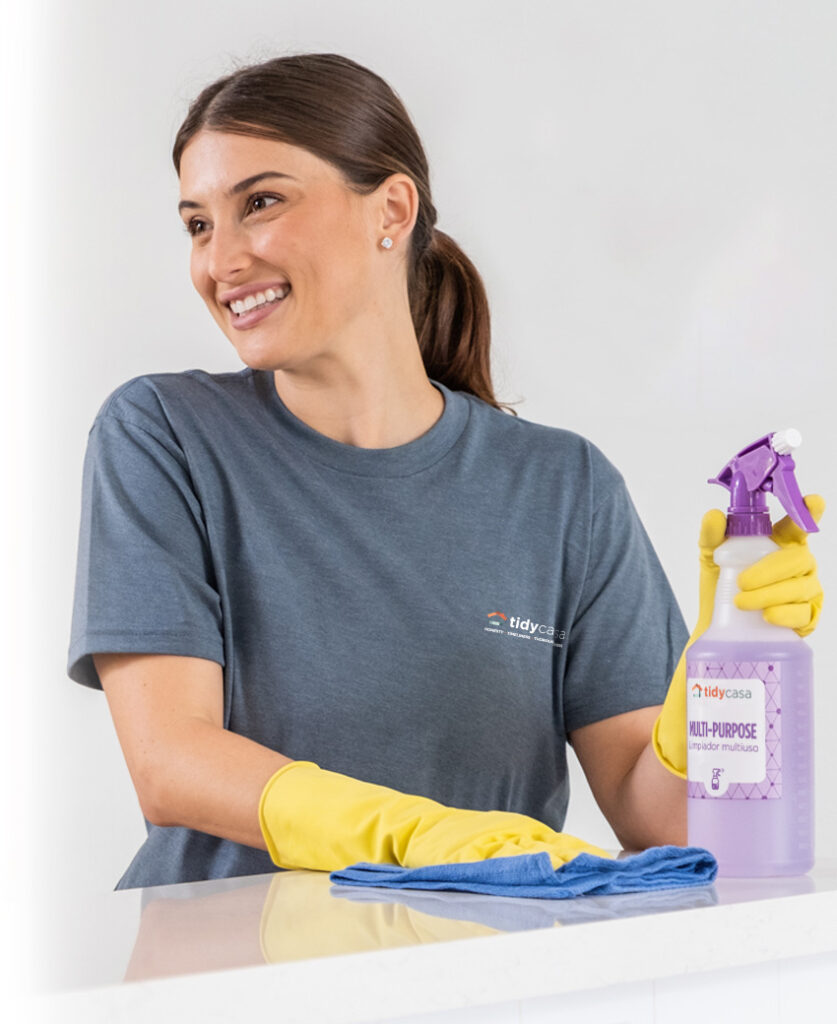
Anyone can pick up a cloth and spray bottle, but achieving a truly spotless space takes more than effort. It requires method, timing, and product knowledge that most households simply don’t have. This is the real difference between a quick tidy-up and a deep, lasting clean.
Professional teams approach every room with a plan. Before touching a single surface, they assess the space, identify problem areas, and determine which tools and solutions will work best for each material. This structured mindset transforms home cleaning from a chore into a precise, repeatable process—one that consistently delivers better results than scattered DIY attempts.
Why Does Sequence Matter More Than Effort?
Most people clean in whatever order feels convenient. Experts do the opposite. They follow a top-to-bottom, left-to-right sequence that prevents re-contamination of already-cleaned surfaces. Dusting shelves before vacuuming floors, for example, ensures debris that falls doesn’t undo completed work.
This sequencing isn’t arbitrary. It’s built on an understanding of how dust, allergens, and grime travel through a space. Skipping this logic means doubling the effort for a fraction of the result.
What Tools Actually Make a Difference?
Store-bought sponges and all-purpose sprays have their place, but professionals rely on specialized equipment suited to specific surfaces. Microfiber cloths lift particles rather than smear them. Color-coded tools prevent cross-contamination between bathrooms and kitchens. pH-balanced solutions protect delicate surfaces like natural stone or hardwood without stripping their finish.
The right tool paired with the right technique does more in minutes than an untrained hand can achieve in an hour.
How Do Trained Routines Reduce Missed Spots?
Checklists and routines aren’t just for efficiency. They exist because the human eye naturally skips frequently seen areas. Baseboards, light switches, and vent covers are commonly overlooked during casual cleaning, yet they accumulate buildup over time.
Professional routines are designed around these blind spots. Every session follows a checklist that accounts for high-touch, low-visibility areas, ensuring nothing gets missed simply because it wasn’t top of mind that day.
Why Does Consistency Beat Intensity?
A single deep clean feels satisfying, but consistency is what actually maintains a healthy living environment. Surfaces that are cleaned regularly require less aggressive treatment over time, which means less wear on materials and less exposure to harsh chemicals.
Trained cleaning routines are built around this principle. Rather than relying on occasional intense sessions, they distribute effort evenly, which keeps spaces consistently fresh without the diminishing returns of sporadic deep cleans.
Frequently Asked Questions
What makes professional cleaning different from DIY cleaning?
Professional cleaning relies on structured routines, trained techniques, and surface-specific tools. This systematic approach addresses problem areas consistently, something casual DIY cleaning often misses due to inconsistent methods.
Can DIY cleaning achieve the same results as professional cleaning?
With enough knowledge, patience, and the right tools, DIY cleaning can approach professional standards. However, most households lack the training to identify overlooked areas or select the correct products for every surface type.
How often should deep cleaning routines be repeated?
This depends on the space, foot traffic, and household needs. Consistent, moderate cleaning routines generally maintain better long-term results than infrequent, intense sessions.
Are specialized tools necessary for effective cleaning?
Specialized tools aren’t strictly necessary, but they significantly improve outcomes. Microfiber cloths, color-coded equipment, and surface-appropriate solutions reduce cross-contamination and protect materials better than generic alternatives.
Why do professionals clean in a specific order?
A structured sequence prevents re-contaminating surfaces that have already been cleaned. Working top to bottom and room to room ensures debris and dust don’t undo completed work.
Understanding these principles doesn’t just explain why professional results look different. It offers a roadmap for anyone looking to bring that same precision and consistency into their own space.
